
Top Game Providers List 2026
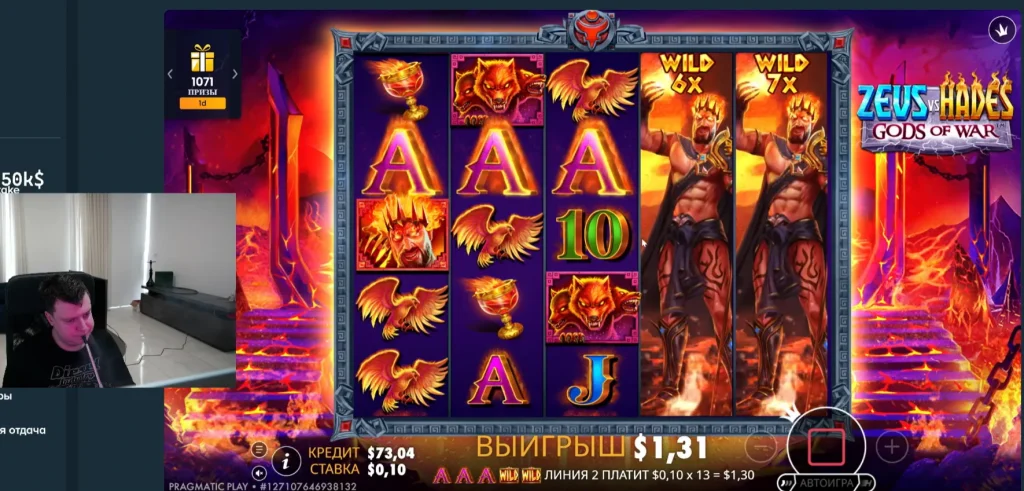
Why 2026 Is a Breakout Year for Studios
Game providers in 2026 are navigating a tighter, smarter market. Fewer releases chase pure novelty; more are built around verifiable fairness, measured volatility, and session-length design. The best studios read data at scale and shape math models to keep entertainment steady without hiding risk.
Consolidation has slowed, but collaboration has accelerated. Math houses, soundtrack specialists, and regional art teams now co-produce titles under a single RGS, speeding launches without diluting identity. Meanwhile, regulators demand transparent RTP disclosures and visible safer-play nudges, forcing quality to rise across the board.
Live casino and RNG are blending in new ways. “Audience mode” features, server-seeded bonuses, and synchronized community events give solo play a social spine. Providers able to stitch these layers seamlessly—across mobile and retail—dominate shelf space in 2026.
Methodology: How We Built This List
Our rankings balance technical rigor with player-first design. We tested portfolios across jurisdictions, audited documentation, and studied release cadences. Weighting favored provable fairness, uptime, and sustainable engagement over raw hype or one-hit spikes.
How We Rank Providers
- Fairness proofs: lab certification, server-seed transparency, and change logs.
- Math craftsmanship: volatility shaping, hit-rate clarity, and feature cadence.
- RTP policy: stable, disclosed ranges with region-specific compliance.
- Platform reliability: crash rates, rollback behavior, and hotfix speed.
- Content breadth: slots, instant-win, table variants, live hybrids.
- Localization: language depth, payment pacing, cultural art direction.
- Responsible design: spend controls, friction cues, cooldown options.
Red flags to watch
- Hidden RTP variants across operators without user-facing disclosure.
- Overlapping mechanics re-skinned to inflate catalog size.
- Event volatility that swings wildly between device types.
- Patch notes that omit math or payout-affecting changes.
We also examined studio roadmaps. Teams with predictable, quarterly drops and iterative math improvements outperformed those relying on sporadic tentpoles.
Top Studios and What Sets Them Apart
Below is a snapshot of studios that consistently pair robust engineering with engaging play patterns. The goal is not to crown a single winner, but to map strengths so players and operators can build balanced lobbies.
Snapshot: Leading Studios in 2026
| Provider | Signature tech | 2026 highlight | License footprint |
|---|---|---|---|
| Evolution | Live shows with RNG sidegames | Audience-mode multipliers with session caps | MGA, UKGC, North America, Nordics |
| Pragmatic Play | High-tempo reel math and game shows | Crash-lite crossover inside reel bonus rounds | MGA, UKGC, LatAm, Africa |
| Play’n GO | Narrative slots with balanced variance | Series-based releases with clear RTP tiers | MGA, UKGC, North America |
| Light & Wonder | Omnichannel cabinets plus digital RGS | Linked progressives tuned for shorter sessions | US, EMEA, APAC |
| Nolimit City | High-volatility x-mechanics | Dual-mode volatility presets by jurisdiction | MGA, UKGC |
| Hacksaw Gaming | Instant-win and modular bonus engines | Social-tailored boosters with loss caps | MGA, Isle of Man, Ontario |
Operators increasingly pair a headline live brand with two dependable slot libraries and one edgy studio for contrast. This mix helps smooth bankroll curves while keeping session variety high.
Trends Shaping Real-Money Play
Server-seeded randomness is moving mainstream. By exposing commitment hashes before a round starts, providers let players verify that outcomes weren’t tuned mid-spin. Expect cleaner interfaces that surface this proof without tech jargon.
Multiplayer layers are getting smarter. Community progress bars, pooled challenges, and opt-in co-op features turn solo play into low-friction events. Crucially, the best designs reduce social pressure and let players dip in and out without penalty or fear of missing out.
Compliance is now a product feature. Auto-detected cooling breaks, configurable bet ceilings, and transparent RTP selectors appear at lobby level, not just in settings. Studios that treat safer play as UX—not paperwork—win regulator trust and player loyalty.
How Players Can Use This List
Think of studios as “math personalities.” Some excel at smooth hit rates and story arcs; others aim for spiky, high-adrift sessions. If you enjoy steady engagement, look for providers known for mid-volatility grids. If you thrive on drama, shortlist the studios famous for extreme modes and rare bonus spikes.
Before committing real money, sample free-play equivalents, read the spec sheet in the help panel, and confirm the RTP your region receives. If a title ships in multiple RTP versions, the active one should be visible near the paytable and during loading.
Community perspectives also help surface quirks faster than formal reviews. For unfiltered reactions and stream-led meta, see mellstroy.tube, then compare impressions with your own test sessions to avoid selection bias.
Finally, build a small rotation. Mix a low-variance title for baseline entertainment, a mid-variance slot for feature rhythm, and a high-variance option for rare peaks. Set strict stop-loss and stop-win points, and treat them as non-negotiable session boundaries.
Author’s opinion
The best providers in 2026 aren’t the flashiest; they’re the ones turning fairness, pacing, and ergonomics into a coherent craft. When math, audio, and interface respect the player’s time and budget, the “fun per minute” climbs naturally without dangling impossible promises.
Studios that keep iterating on clarity—plain-language help panels, stable RTP, visible cooldowns—will outlast trend-chasers. As players, rewarding that discipline with our attention is how we nudge the market toward better, safer entertainment.